The management of Coos Green as a wildflower meadow, controlled cutting and no chemicals encourages all forms of invertebrate life. This in turn provides food for larger species. This section will illustrate some of the insects which you might see and wish to identify. The most visible are:
Butterflies….Moths….Bumble Bees
Butterflies
There are many butterflies that you might catch sight of on Coos Green. The wild flower meadow style of management encourages pollinators. Thanks to Nick Morgan for the list..
A full guide to British butterflies can be found via the link below:
Click on a thumbnail for a larger image
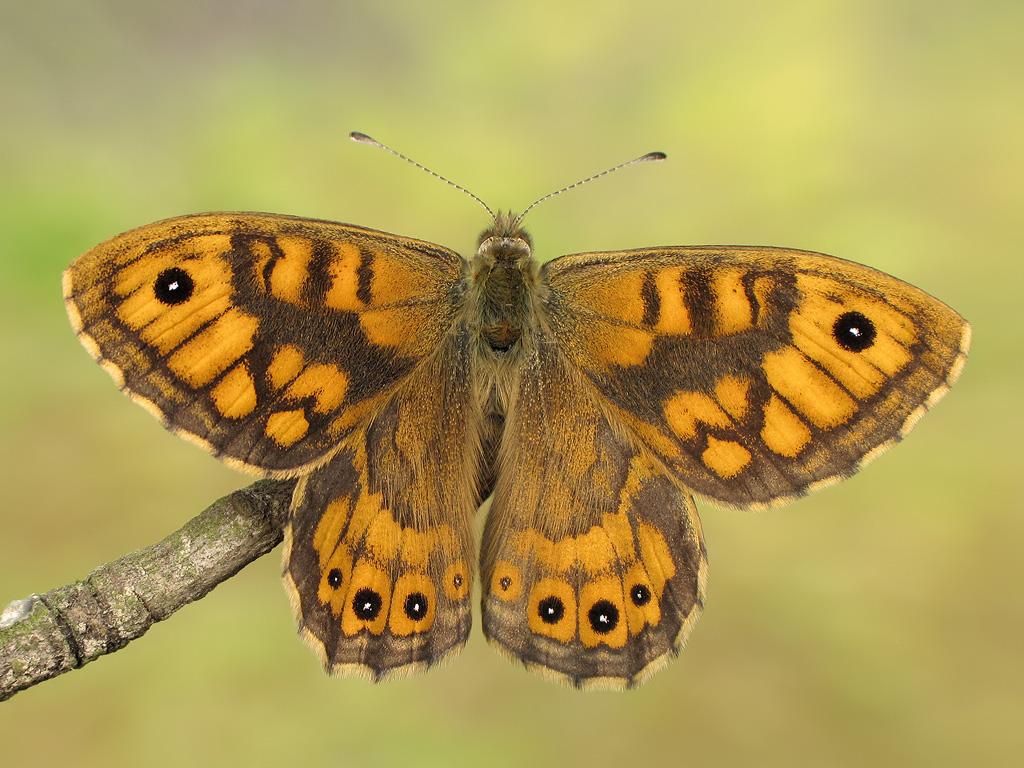
Lasiommata megera

Pararge aegeria

Pieris rapae

Aglais urticae
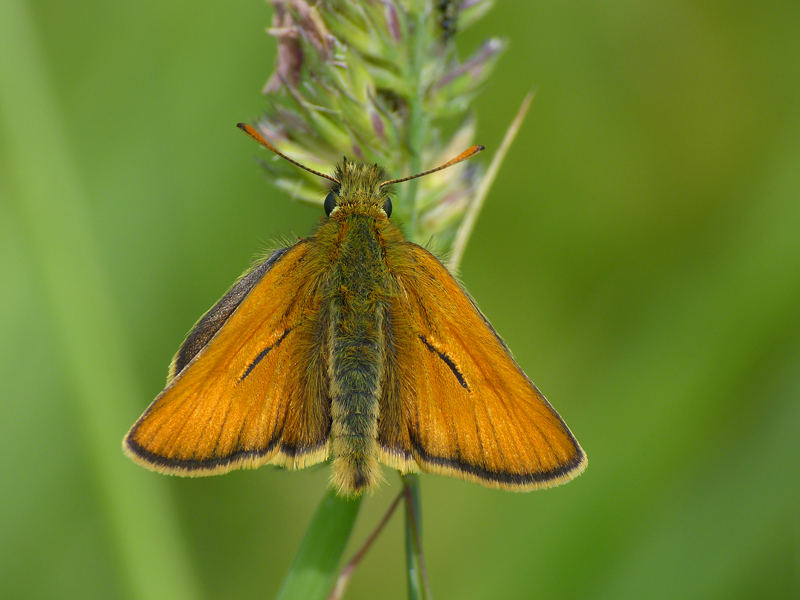
Thymelicus sylvestris

Maniola jurtina

Lycaena phlaeas
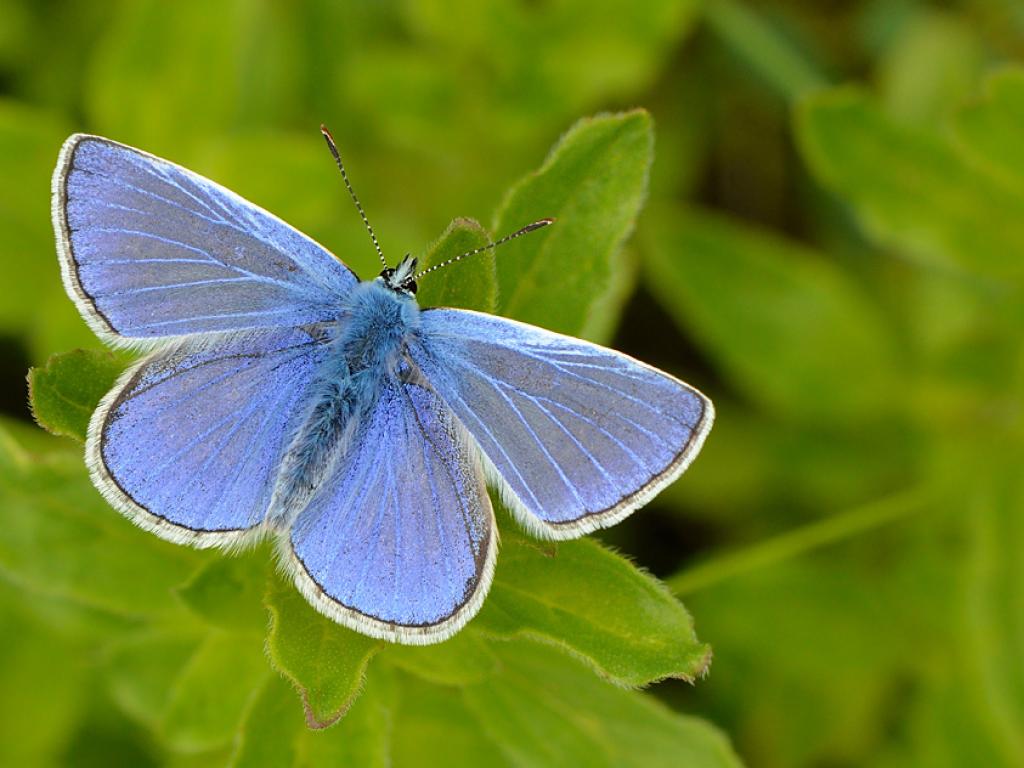
Celastrina argiolus
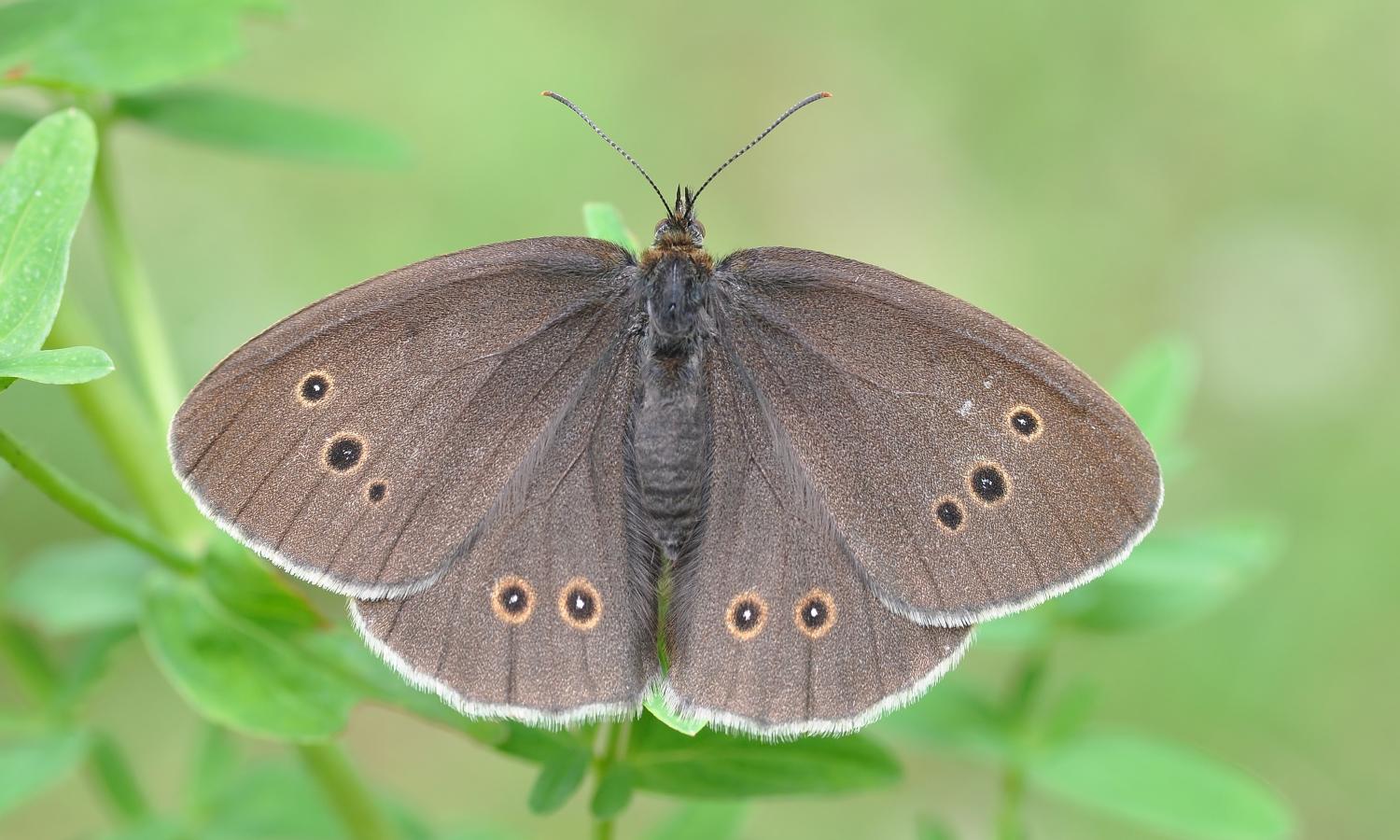
Aphantopus hyperantus

Vanessa atalanta
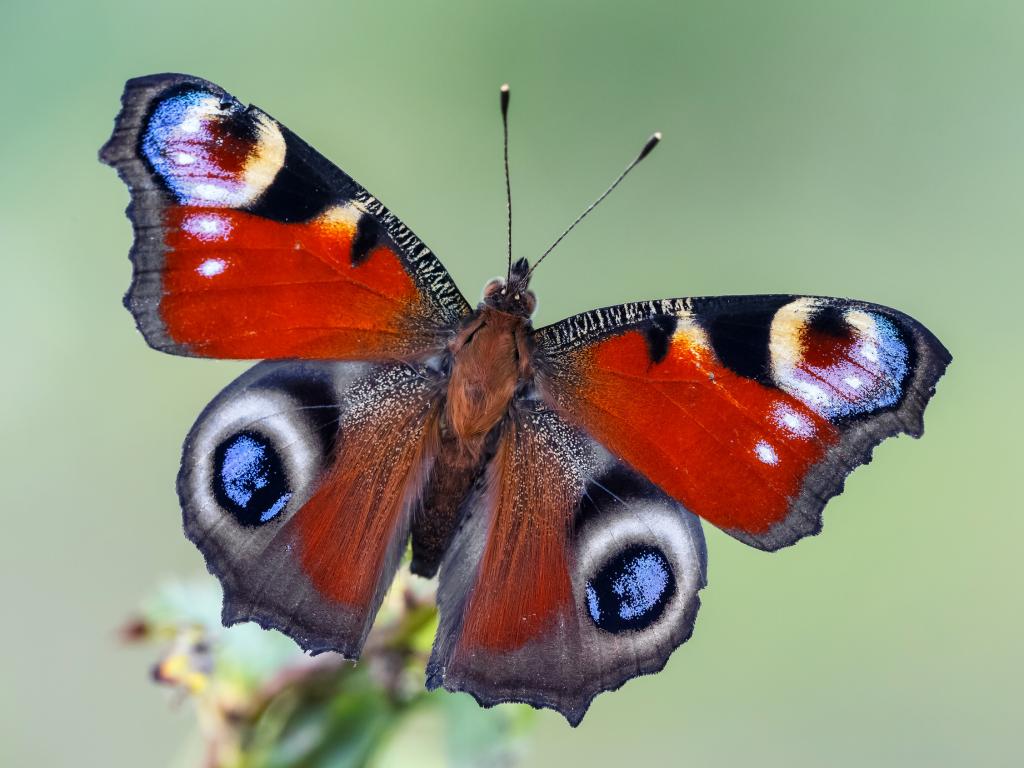
Aglais io

Vanessa cardui
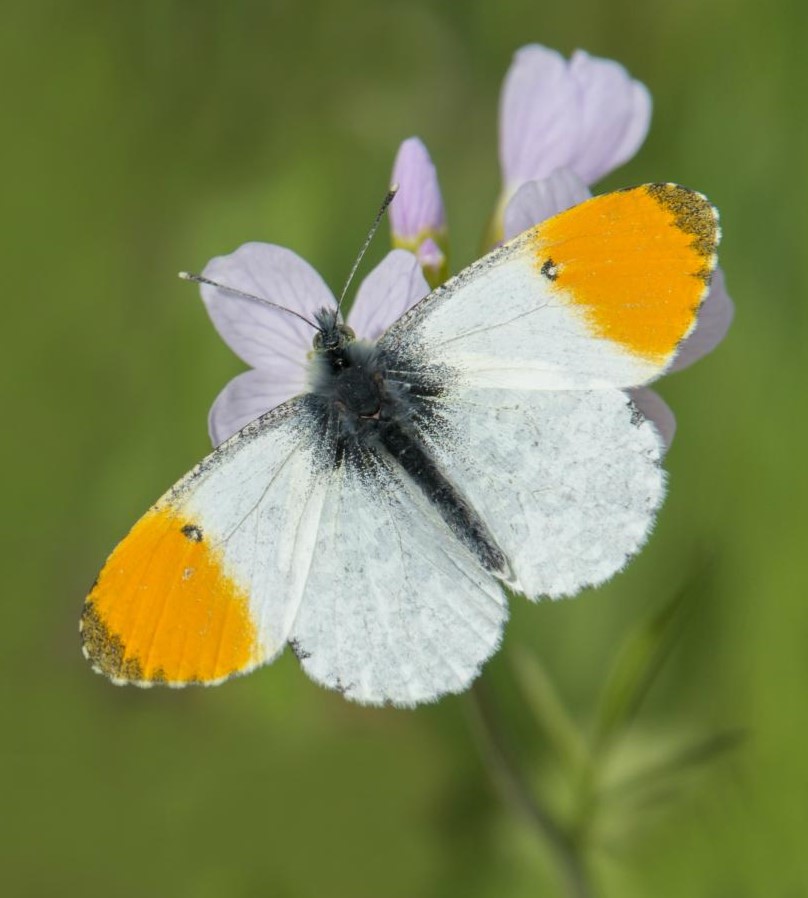
Anthocharis cardamines
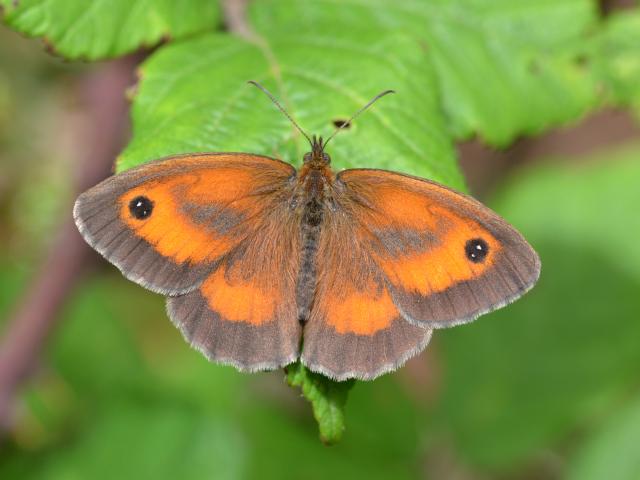
Coenonympha pamphilus

Pieris brassicae

Ochlodes sylvanus

Celastrina argiolus

Pieris napi

Speyeria aglaja

Polygonia c-album
Moths
A large variety of moths can be found on Coos Green. Their nocturnal lifestyle does make it much more difficult to spot them! Here are some of the most likely, followed by a full list. Many thanks to Katty Baird for the photos and list.
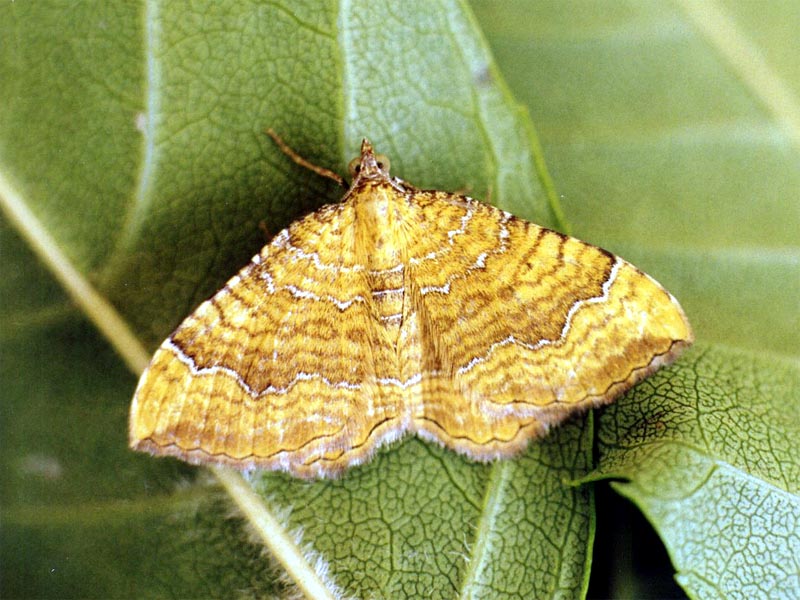
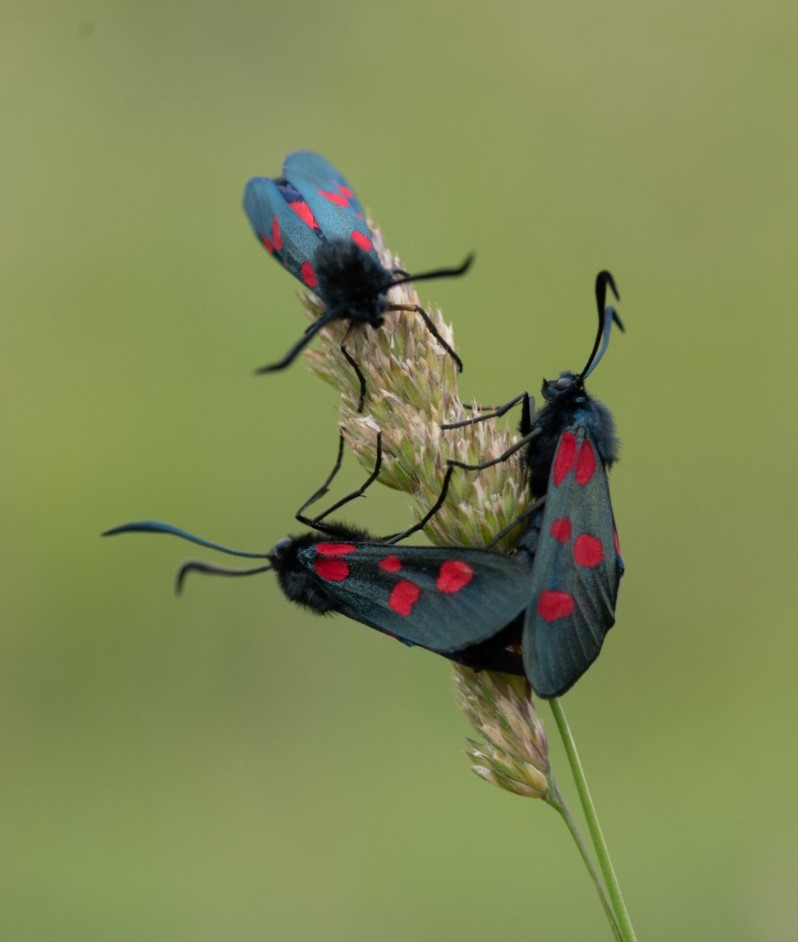


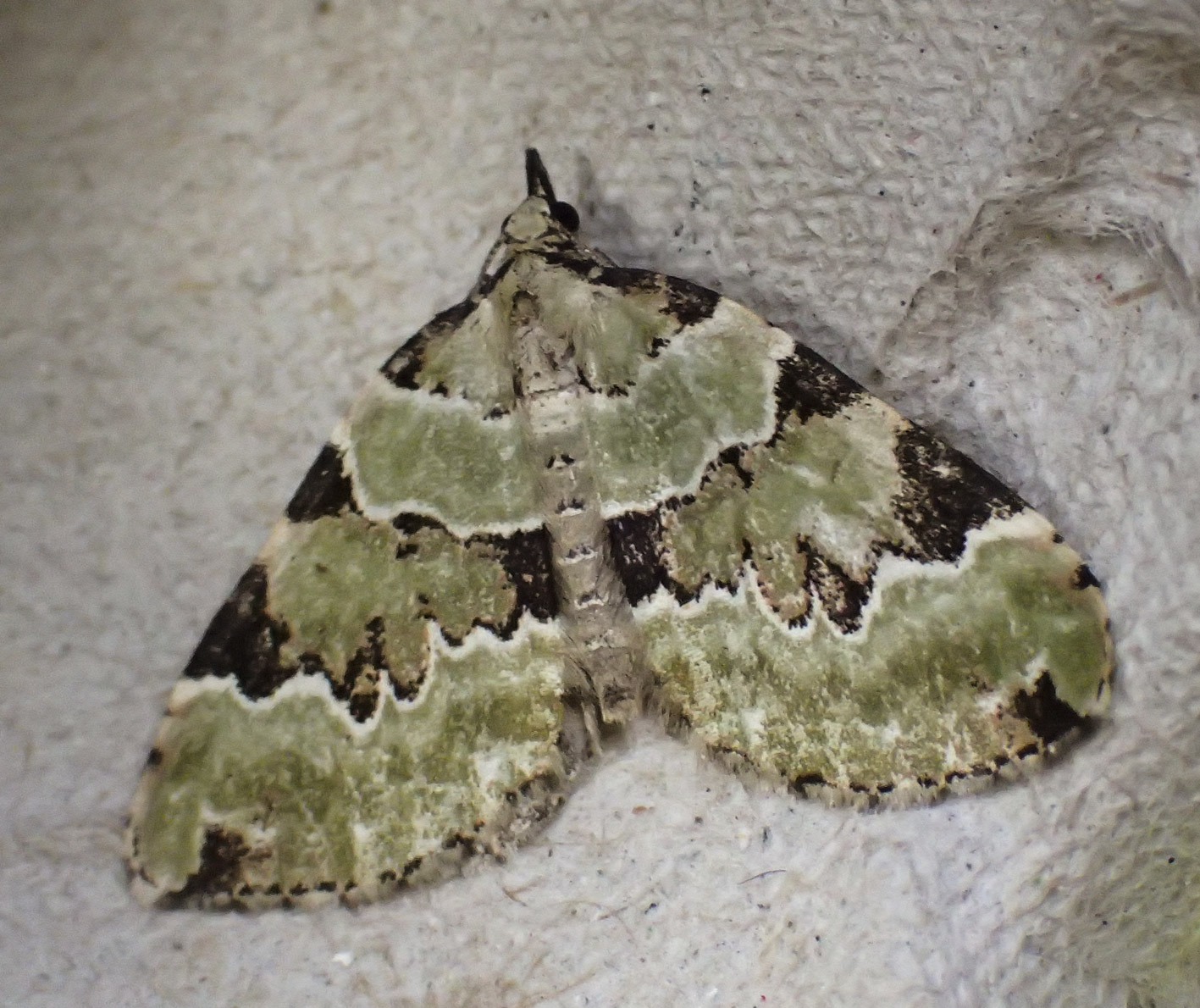


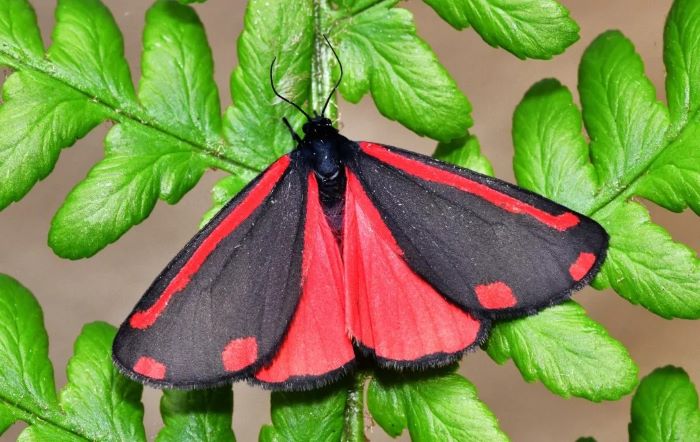

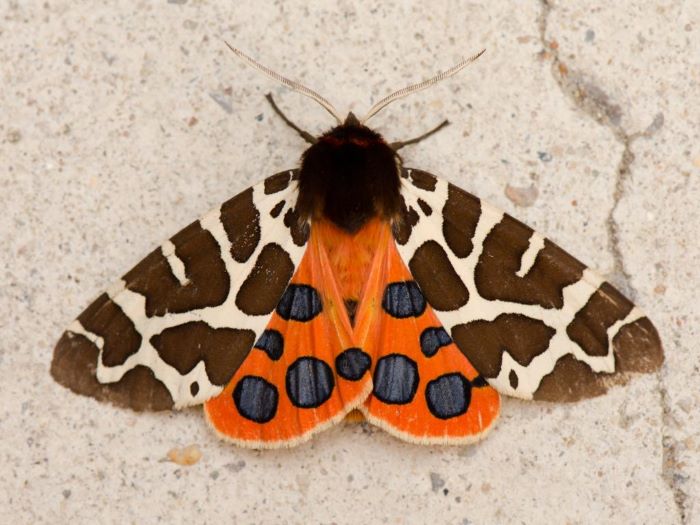

Here is the full list.
A useful guide to identifying British moths is available from the Wildlife Trusts. Follow link below.
Map-winged Swift (Korscheltellus fusconebulosa)
Silver-ground Carpet: (Xanthorhoe montanata)
Small Phoenix: (Ecliptopera silaceata)
Garden Grass-moth: (Chrysoteuchia culmella)
Ghost Moth: (Hepialus humuli)
Buff Ermine: (Spilosoma lutea)
Green Carpet: (Colostygia pectinataria)
Dark Arches: (Apamea monoglypha)
Heart & Dart: (Agrotis exclamationis)
Heart & Club: (Agrotis clavis)
Barred Straw: (Gandaritis pyraliata)
Freyer’s Pug: (Eupithecia intricata)
Brown Rustic: (Rusina ferruginea)
Common Marbled Carpet: (Dysstroma truncata)
Six-spot Burnet: (Zygaena filipendulae)
Ruby Tiger: (Phragmatobia fuliginosa)
Cinnabar: (Tyria jacobaeae)
Marbled Minor: (Oligia strigilis)
Double Square-spot: (Xestia triangulum)
Wormwood Pug: (Eupithecia absinthiata)
Large Yellow Underwing: (Noctua pronuba)
Common Swift: (Korscheltellus lupulina)
Shears: (Hada plebeja)
True Lover’s Knot: (Lycophotia porphyrea)
Spectacle: (Abrostola tripartita)
Lychnis: (Hadena bicruris)
Campion: (Sideridis rivularis)
Dark Arches: (Apamea monoglypha)
Flame Shoulder: (Ochropleura plecta)
Pale-shouldered Brocade: (Lacanobia thalassina)
Bee Moth: (Aphomia sociella)
Lyme Grass: (Longalatedes elymi)
Shoulder-striped Wainscot: (Leucania comma)
Common Plume: (Emmelina monodactyla)
Angle Shades: (Phlogophora meticulosa)
Bumble Bees
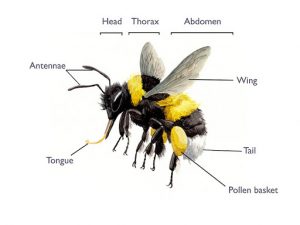
There are over 250 species in the genus Bombus, part of Apidae, one of the bee families.
Most bumblebees are social insects that form colonies with a single queen. The colonies are smaller than those of honey bees, growing to as few as 50 individuals in a nest.
On Coos Green there are five species which you have a good chance of seeing.
Click on a thumbnail for a larger image
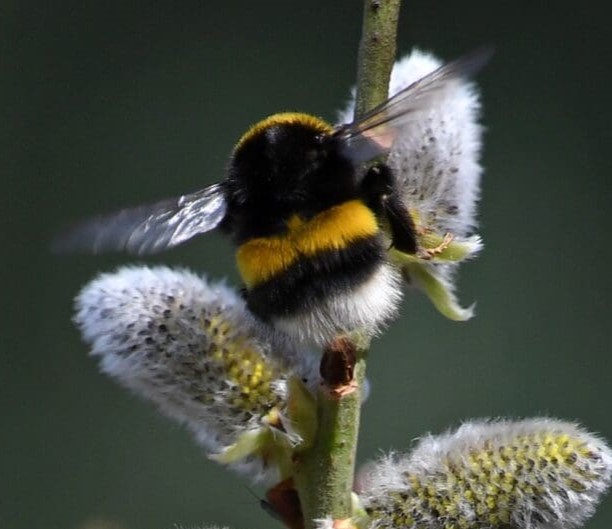
Bombus lucorum
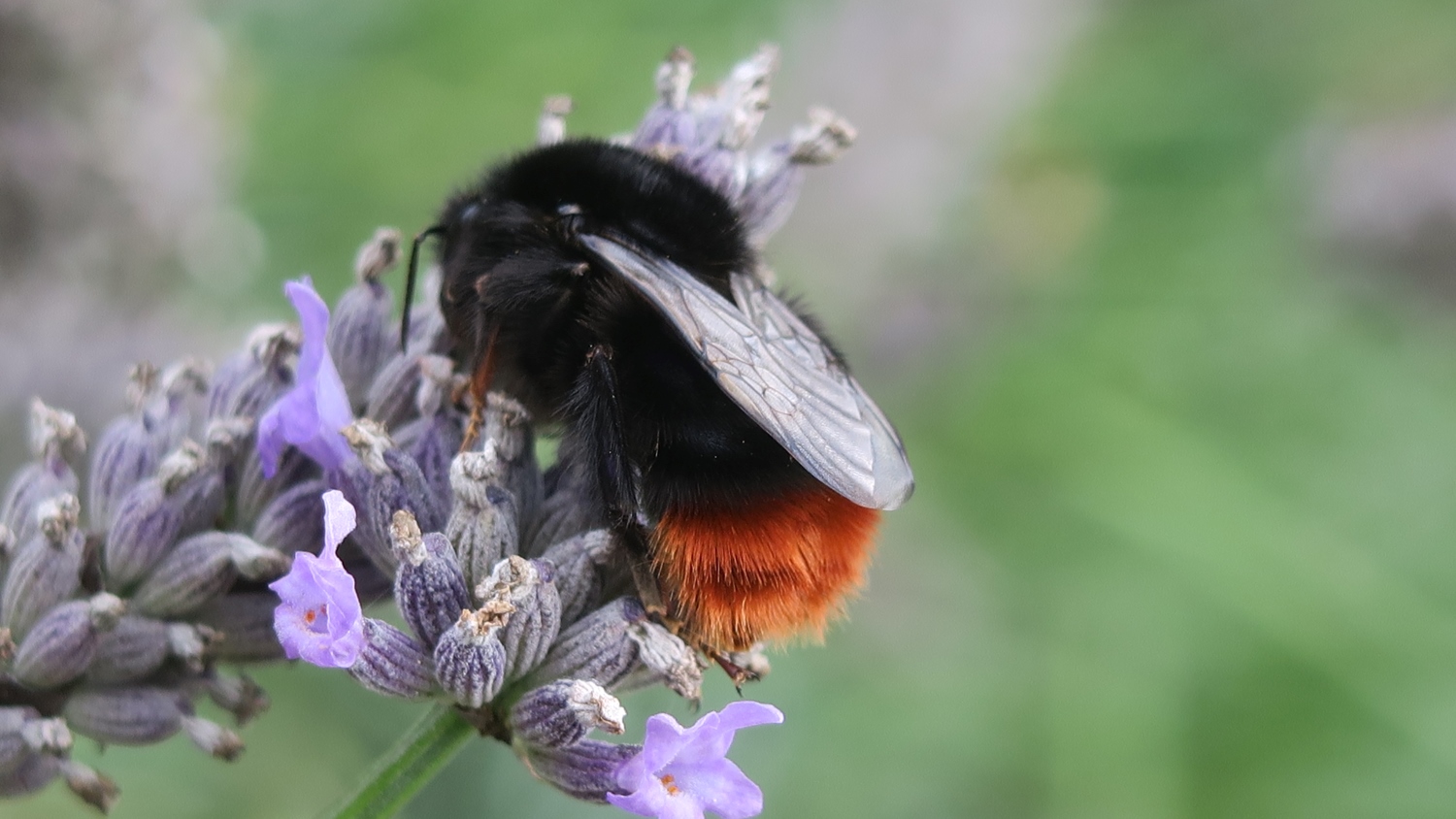
Bombus lapidaries

Bombus pascuorum
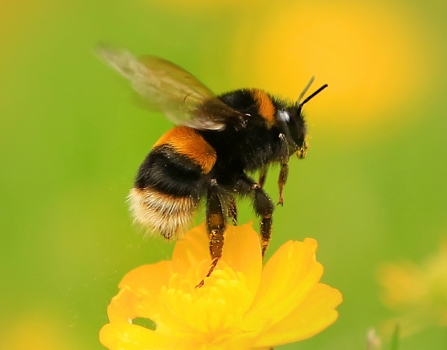
Bombus terrestris
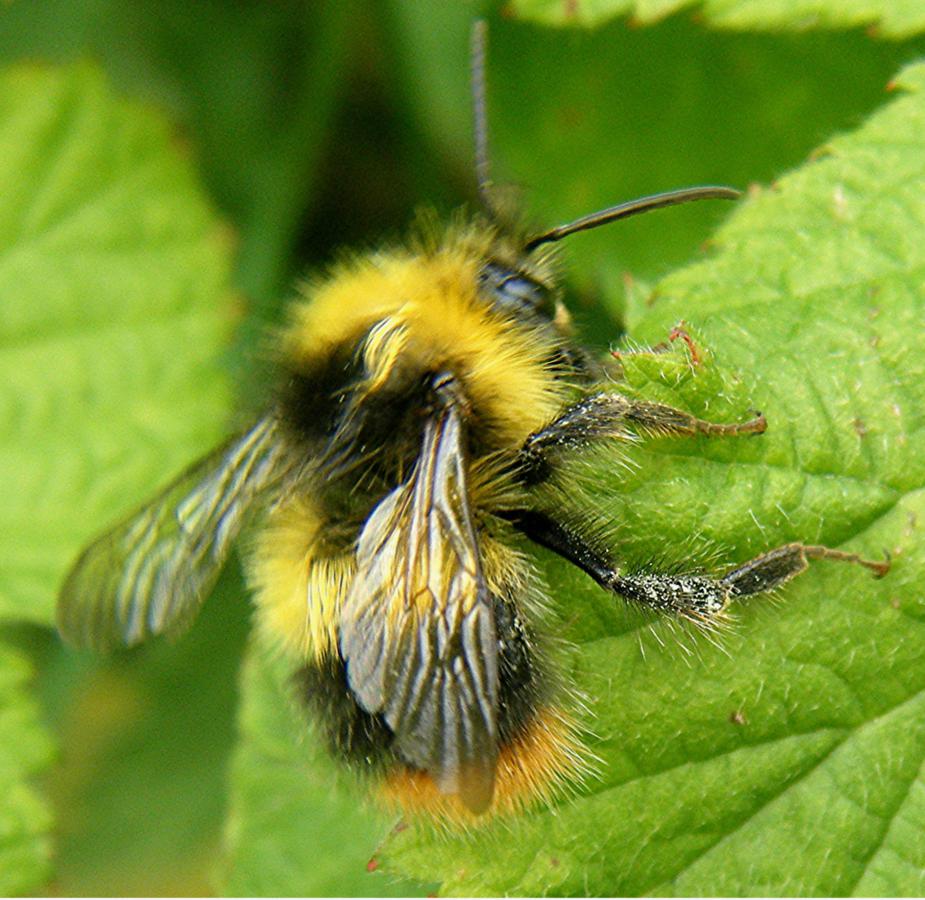
Bombus pratorum
More information about British Bumble Bees can be found by following the link below.